
Style
Contrast levels: the quiet dial that changes any outfit
How far your clothes differ from each other in lightness decides whether a look reads bold, soft, or invisible — before color even enters it.
Style at Zebule teaches the method behind an outfit: proportion, color relationships, layering order and the pieces that make everything else usable. Guides explain the choices so readers can assemble their own combinations. For anyone tired of copying an image that refuses to translate.
How far your clothes differ from each other in lightness decides whether a look reads bold, soft, or invisible — before color even enters it.
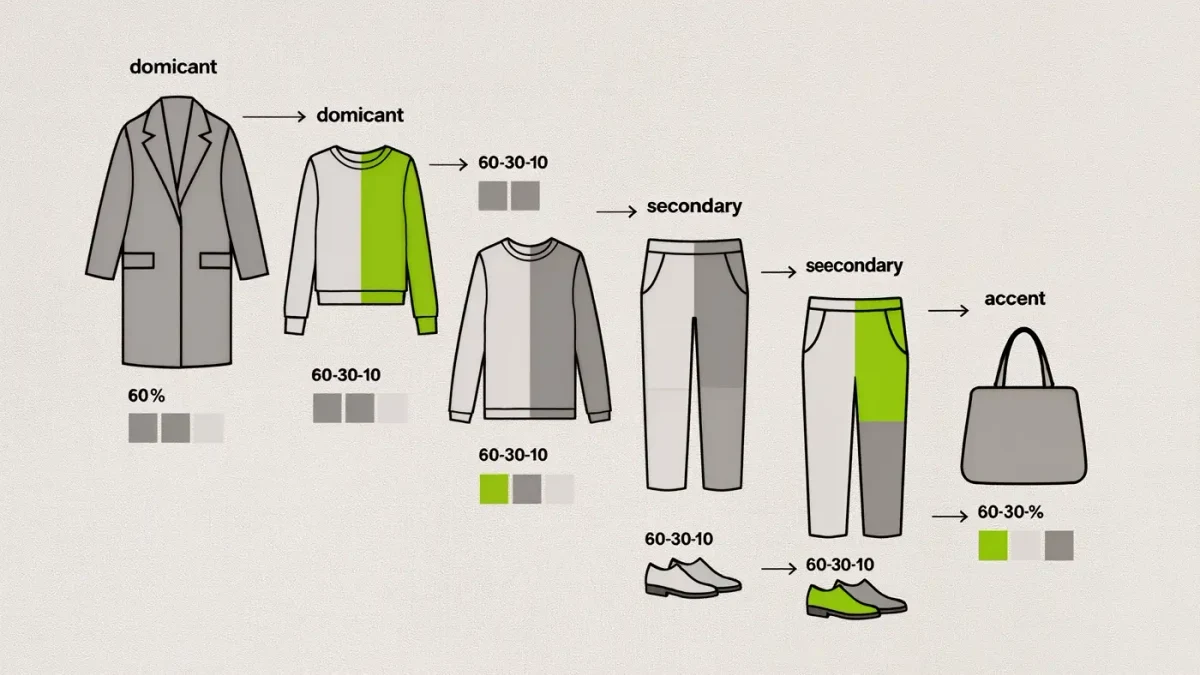
Capping an outfit at three colors is not a fashion law — it is a legibility device, and understanding why makes it yours to bend.
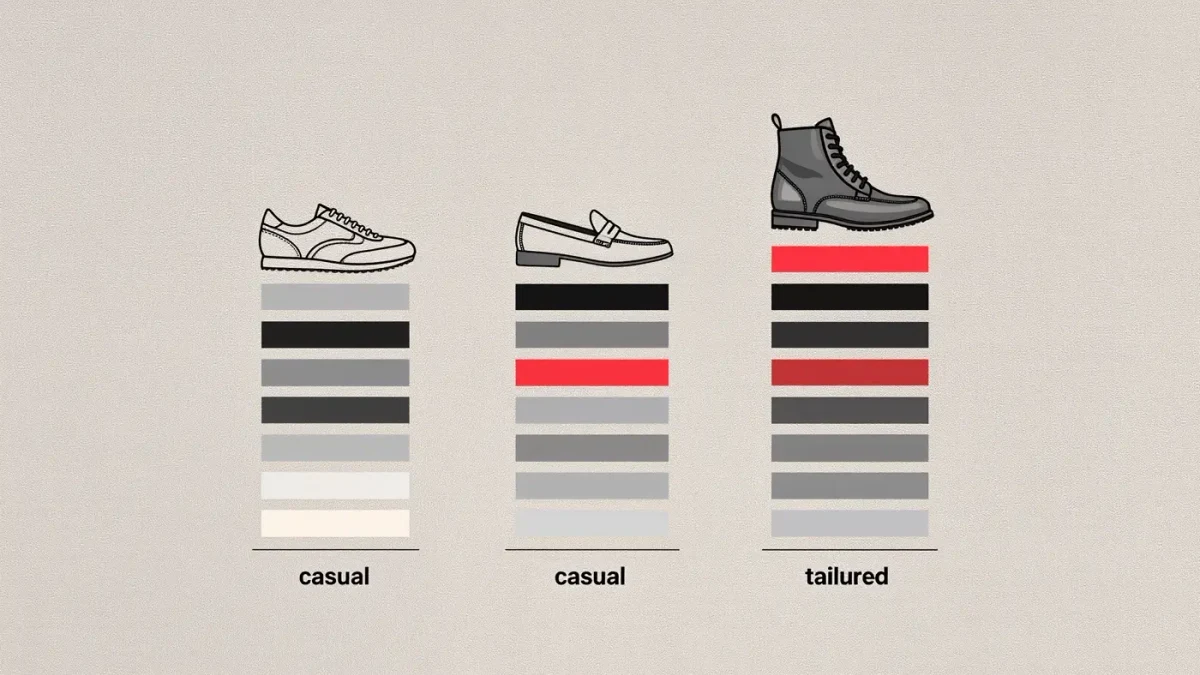
Reversing the usual order — choosing shoes first and building upward — explains why some wardrobes cohere and others never do.
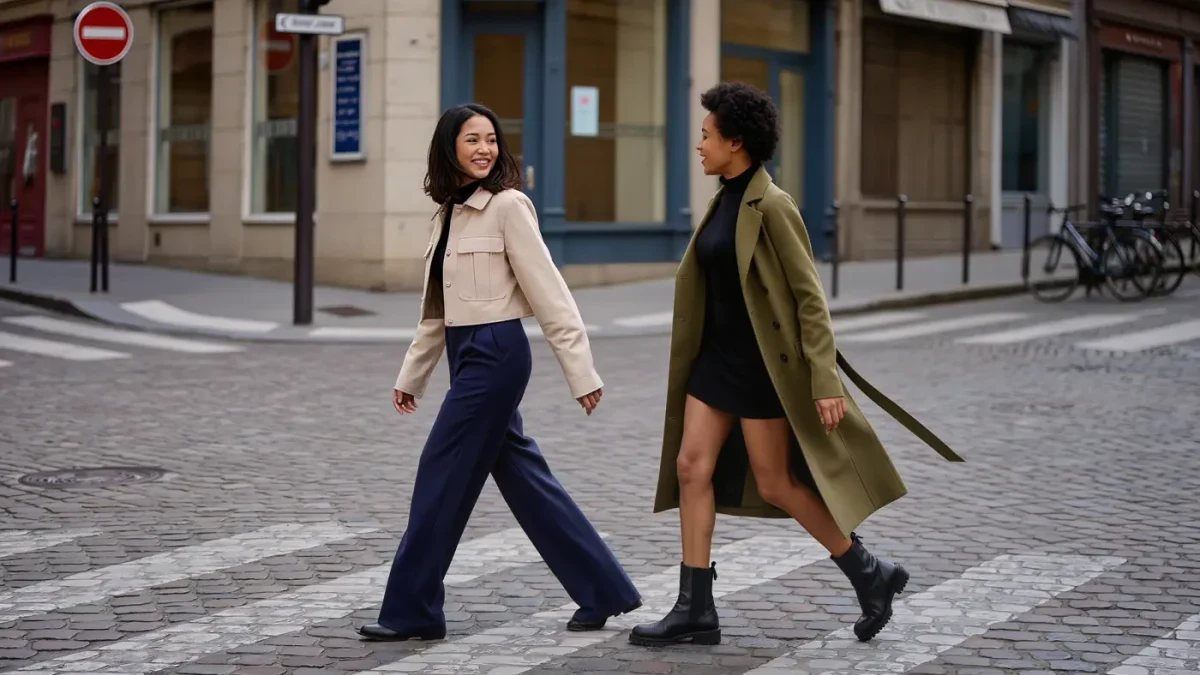
The ratio between your pieces decides whether an outfit reads as intentional — and it costs nothing to fix.
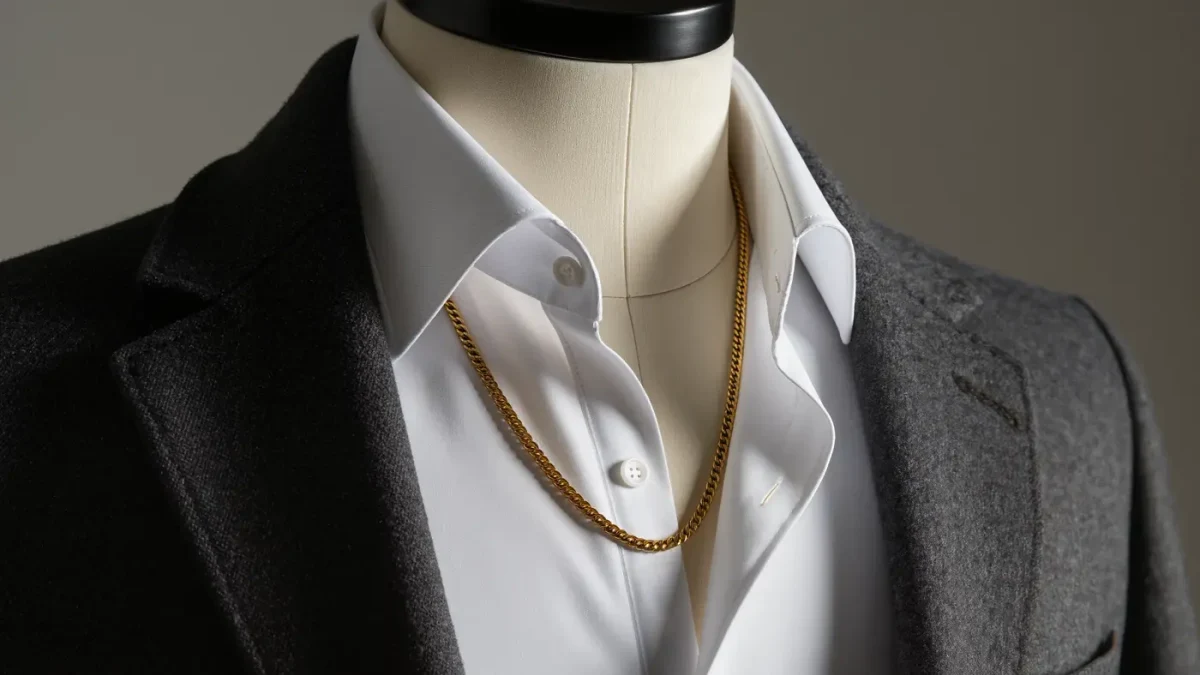
The emptiest parts of an outfit do the most compositional work — here is how painters' negative space becomes a dressing tool.
Most wardrobes are built for a fictional week full of dinners and occasions — auditing your real schedule fixes more than any shopping trip.